



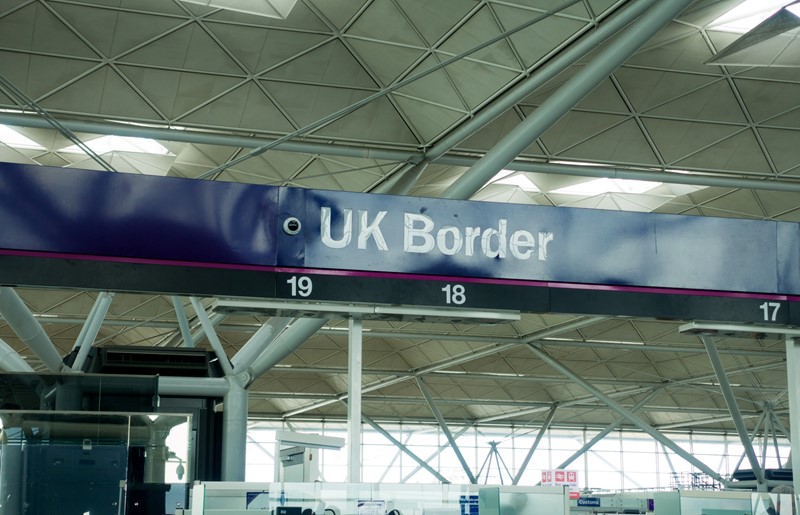
Historically, British dual citizens have navigated the complexities of international travel by using whichever passport was most convenient for their circumstances. However, the UK border control landscape is undergoing a fundamental shift toward a “Universal Permission to Travel”. As of early 2026, the introduction of mandatory pre-departure checks and the Electronic Travel Authorisation (ETA) scheme has significantly curtailed the ability of British citizens to enter the UK using foreign documentation.
The legal framework: Right of abode vs. evidence of status
Under Section 3(9) of the Immigration Act 1971, any person who possesses the right of abode is exempt from UK immigration control. This entitlement allows a British citizen to live, work, and enter the UK without restriction. While the legal status itself is inherent to the individual, the practical exercise of this right is contingent upon the ability to produce prescribed evidence at the border.
According to Paragraph 12 of the Immigration Rules, the Home Office recognises only two primary methods for a British citizen to demonstrate this right for travel purposes, specifically either a valid British passport or a Certificate of Entitlement to the right of abode. Without one of these documents, transport carriers (airlines, rail, and maritime operators) are increasingly likely to deny boarding to avoid statutory penalties for transporting “inadequately documented” passengers.
The impact of ETA
The most significant hurdle for dual nationals is the expansion of the ETA requirement. Previously, citizens of “non-visa national” countries—such as the US, Australia, or EU member states—could board UK-bound transport using their foreign passports, often resolving their status with Border Force officers upon arrival.
Under the current digital regime, transport carriers must receive a positive “permission to travel” notification from the Home Office before a boarding pass is issued. Because British citizens are legally ineligible for an ETA or a standard visitor visa, a dual national attempting to travel solely on a foreign passport will find that the carrier’s system fails to show the necessary clearance.
Enforcement from 25 February 2026
The House of Commons Library notes that the Home Office has operated transitional arrangements allowing British dual nationals travelling on foreign passports from non-visa national countries to board transport to the UK without an ETA. These arrangements will end on 24 February 2026. From the 25th of February 2026, the ETA requirement will be fully enforced, and British dual nationals travelling on or after that date are advised to ensure they hold a valid British or Irish passport or a Certificate of Entitlement. Physical vignettes will no longer be issued; instead, the certificate will be managed through a digital UK Visas and Immigration (UKVI) account, analogous to the “eVisa” system used by non-British residents.
Comparative costs and documentation
For the majority of citizens, the British passport remains the most cost-effective and efficient travel document. As of the current fee schedule, a standard adult passport application costs £94.50. In contrast, a Certificate of Entitlement—frequently used by those who cannot or do not wish to hold a British passport—carries a significantly higher fee of £589.
Conclusion and recommendations
The modernisation of the UK border implies that “right of abode” is no longer a status that can be proven via verbal testimony or secondary paperwork at the gate. To ensure uninterrupted travel, British dual nationals must align their documentation with the Home Office’s digital standards.
If you are currently abroad without a valid British passport and have an urgent need to travel, you may be eligible for an Emergency Travel Document (ETD). However, this is a temporary measure and should not be viewed as a substitute for a formal passport renewal or the acquisition of a digital Certificate of Entitlement.
